Fencing Northern Basin Riverbanks Project
Good for farmers, Good for fish
The Australian Government funded Fencing Northern Basin Riverbanks Project (Qld) is a $7.5 million investment to support works to
benefit farmers and fish. Southern Queensland Landscapes with support from the Queensland Government has been working with local communities, Aboriginal organisations and land managers to deliver the project before June 2023.
What Have We Achieved To Date?
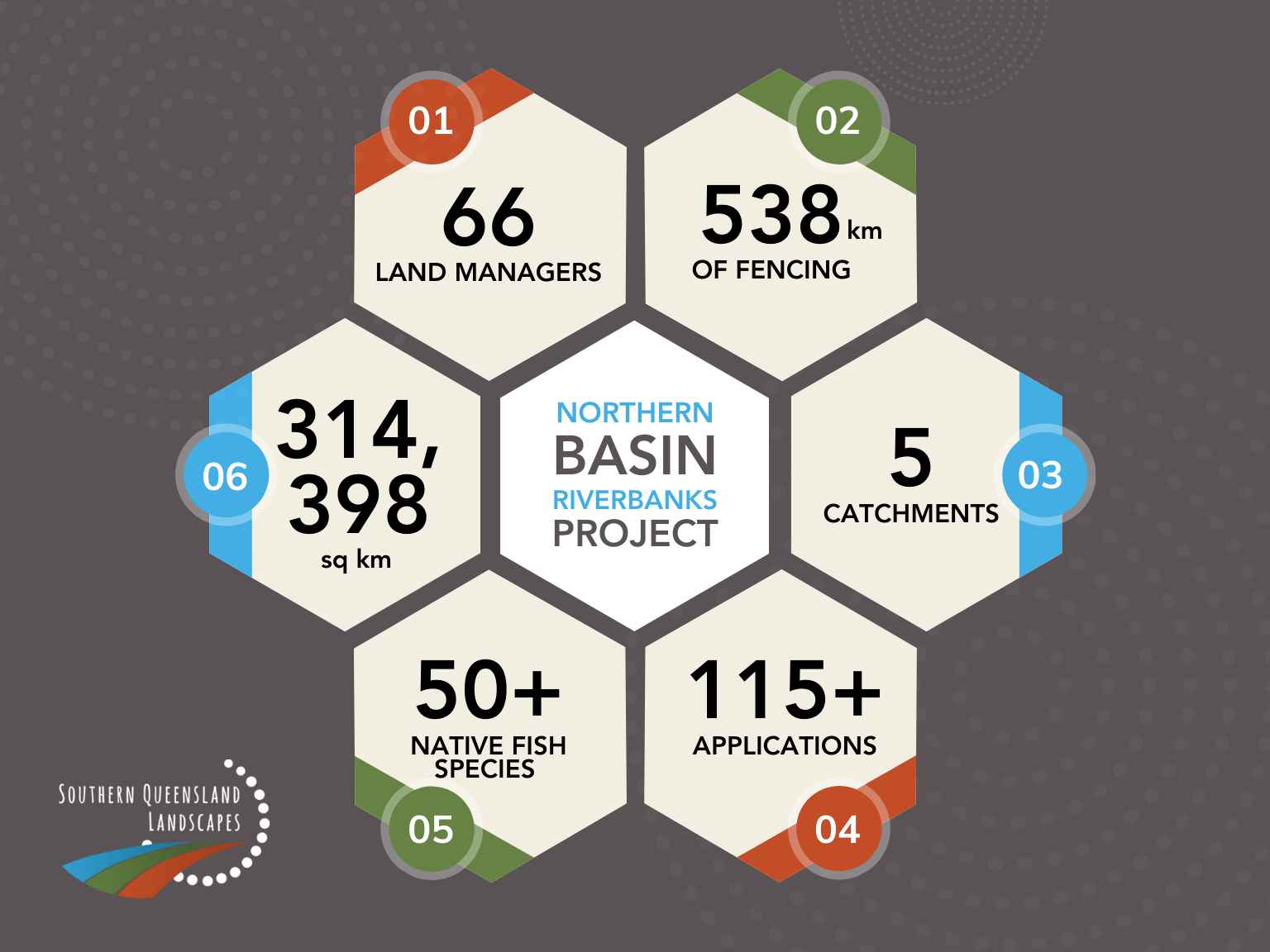
From over 115 applications, 66 land managers have signed contracts to install some 538 km of fencing and off-stream watering points across five catchments within the northern Murray-Darling Basin region, which is an area spanning some 314,398 km2. These works will help protect more than 50 native fish species by improving water quality and managing weed spread along waterways.
Latest Project News

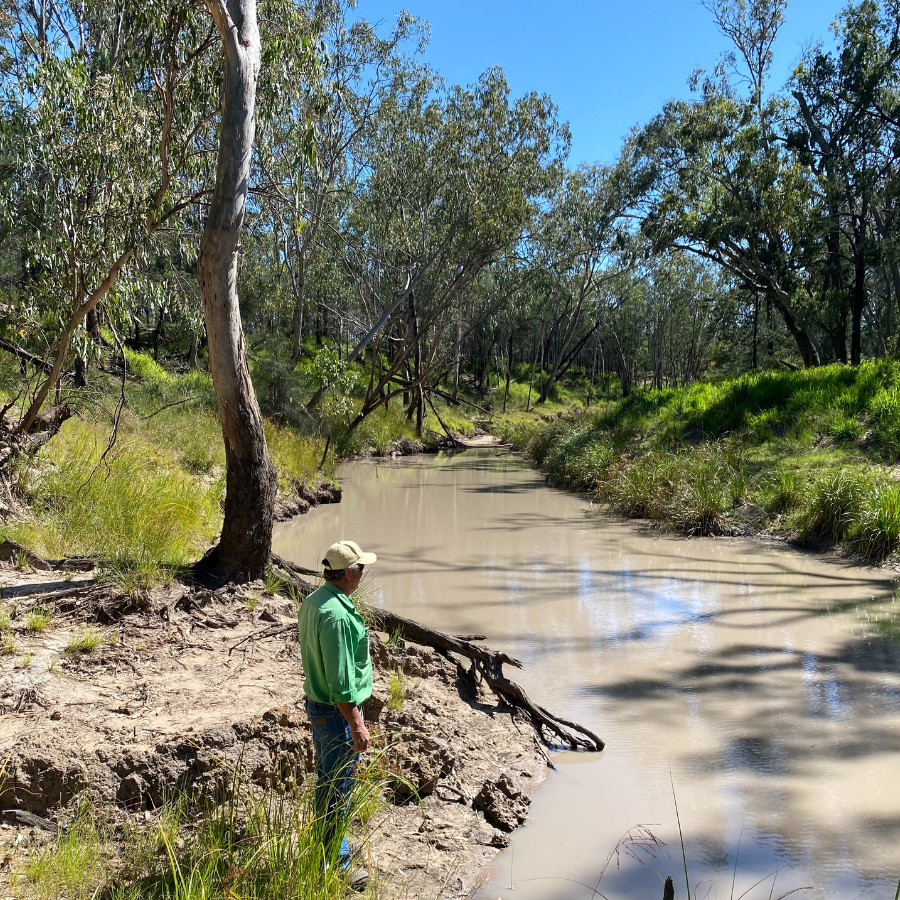
Will & Sasha Treloar, Cooladdi
Farmers and fish are just the start of the beneficiaries of the Fencing Northern Basin Riverbanks Project, involving more than 500 kilometres of riparian fencing and alternate watering points across southern Queensland catchments.
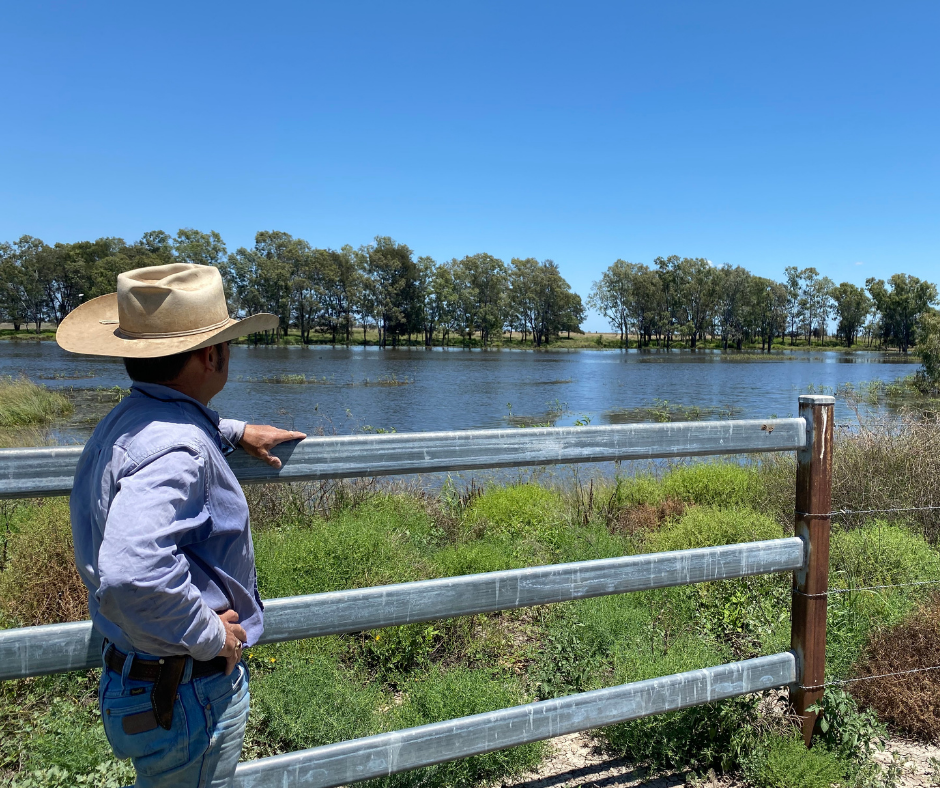
The Treloars of ‘Boothulla’ are a good example. Situated north west of Cooladdi in south west Queensland, the family run a cattle trading operation and are creating multiple benefits having fenced off about seven kilometres of river frontage as well as installing multiple alternate watering points.
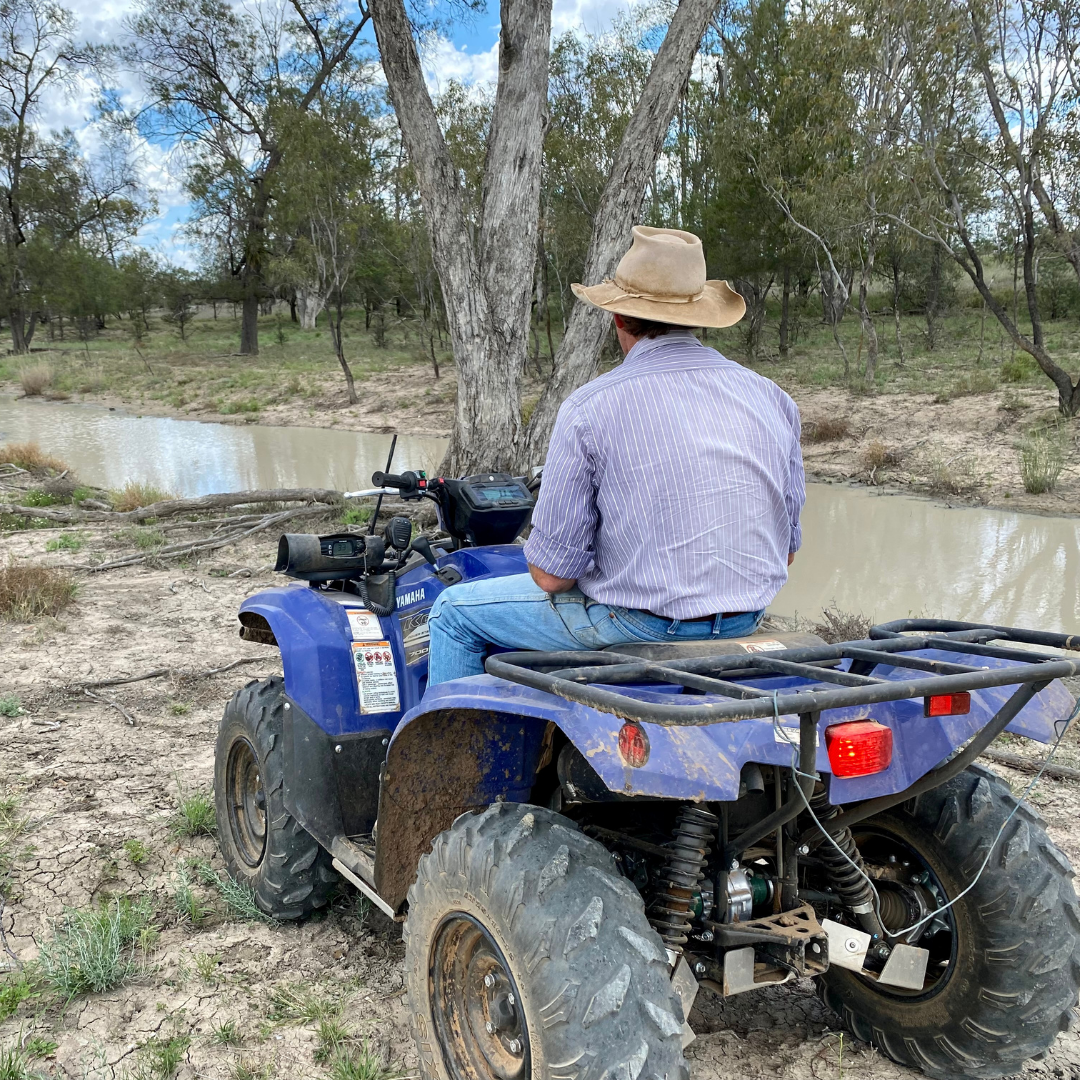
Mitchell Duff, Loch Lomond
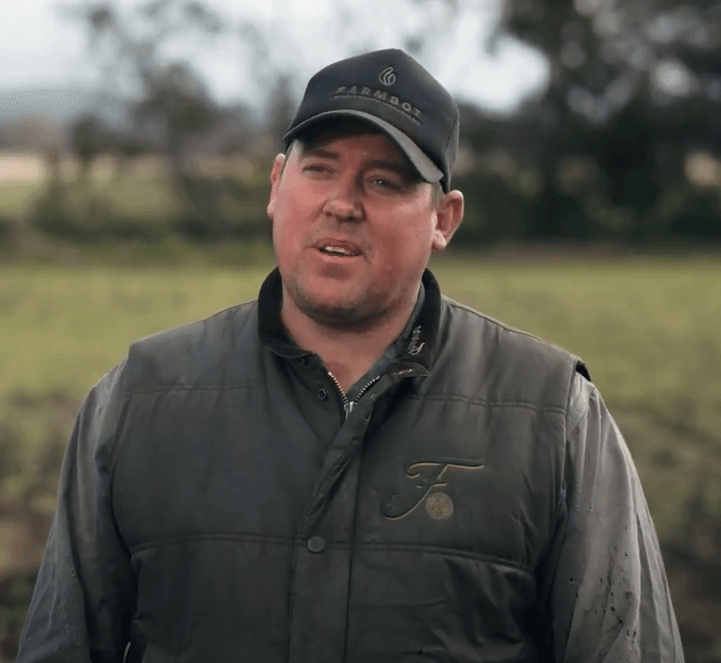
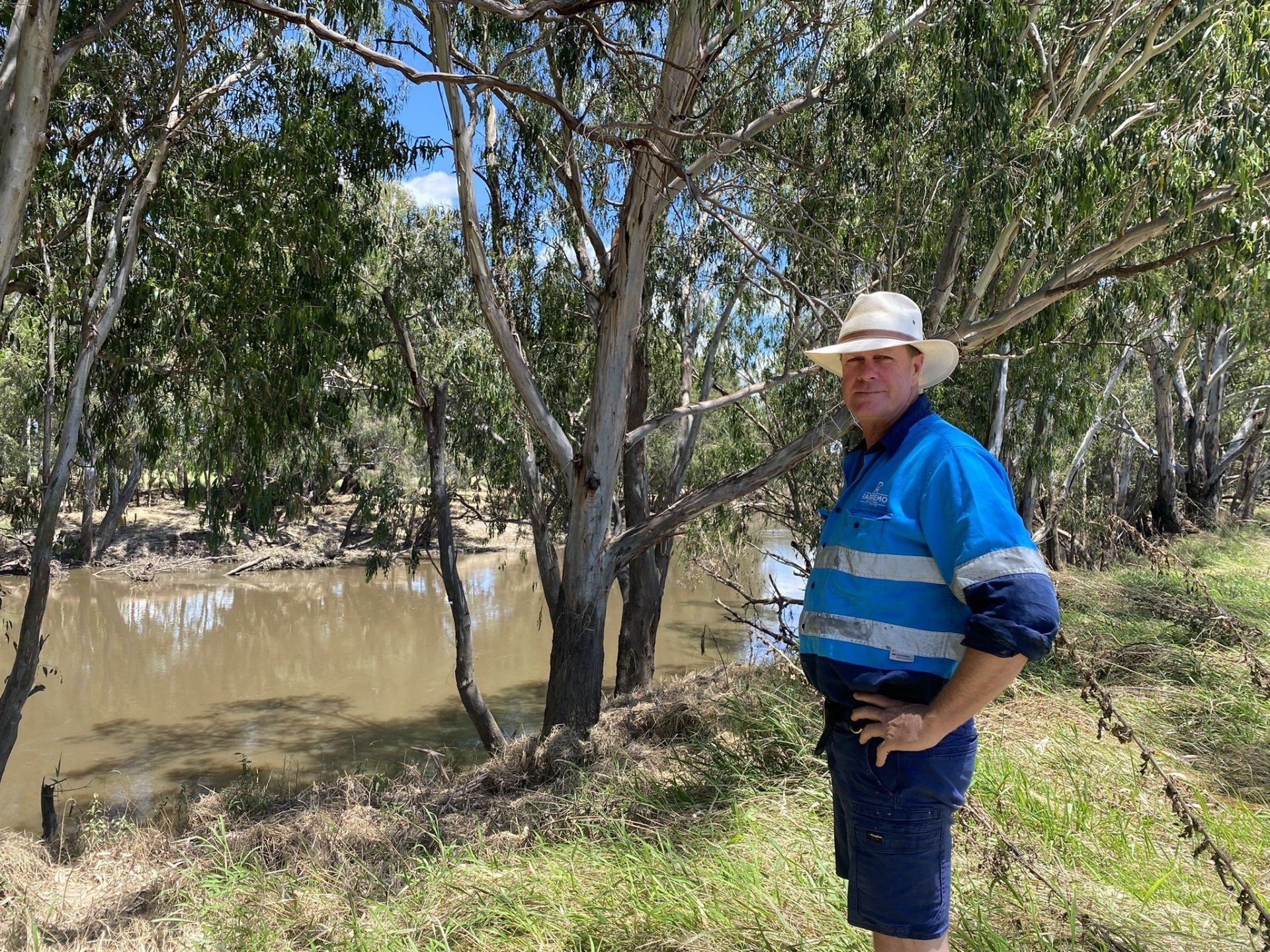
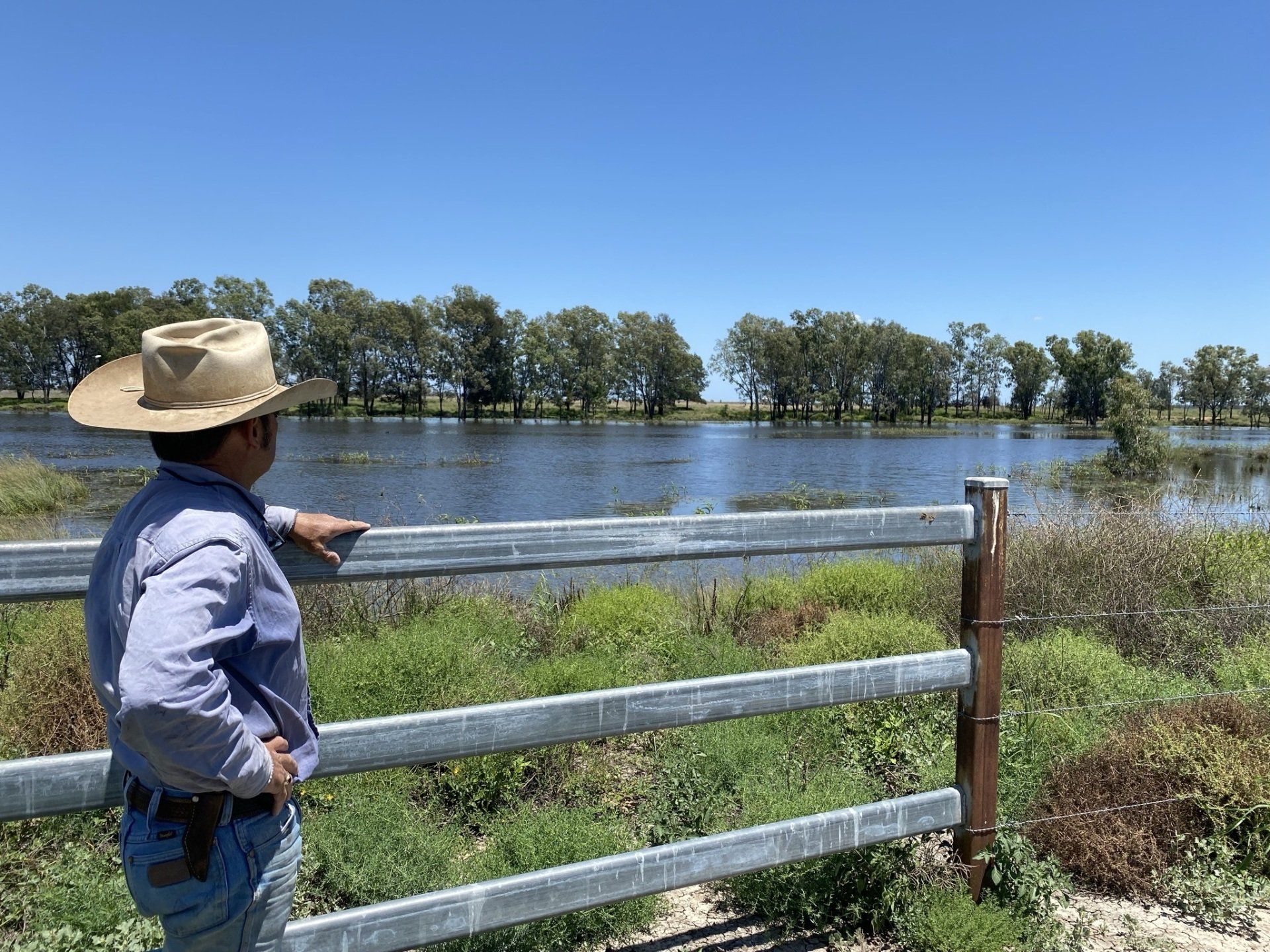
Flood after flood along an unfenced stretch of the Condamine River near Warwick was proving to be a headache for land manager Mitchell Duff as he battled erosion and bogged cattle.
So when the Loch Lomond grazier saw an advertisement for fencing assistance from Southern Queensland Landscapes he jumped at the opportunity to participate and install fencing on ‘Benchmark’; a 650 acre property with river frontage.
More Project News
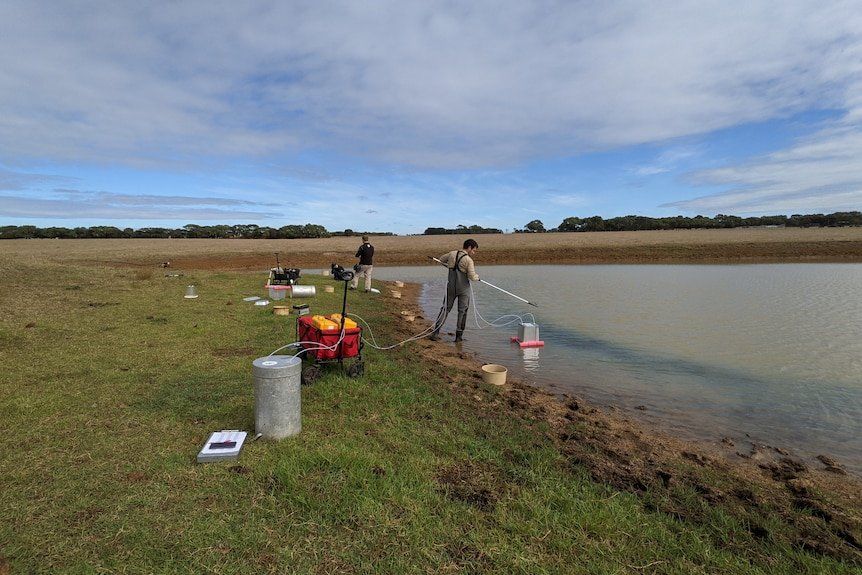
Researchers push for carbon credit payments for Australian farmers who fence their dams
Scientists are lobbying for farmers to be financially rewarded in the form of carbon credits for cleaning up their dams.
Deakin researcher Martino Malerba has spent the past four years determined to show farmers the simple solutions that can reduce their carbon footprint, after a 2018 study found farm dams emit significantly more greenhouse gases than other waterways.
"Farm dams are among the highest emitters of methane of any freshwater system," Dr Malerba said.
"Just by fencing farm dams and excluding livestock from accessing the water has massive implications on methane emissions. In fact, it will reduce methane by more than half."
Via: ABC Rural
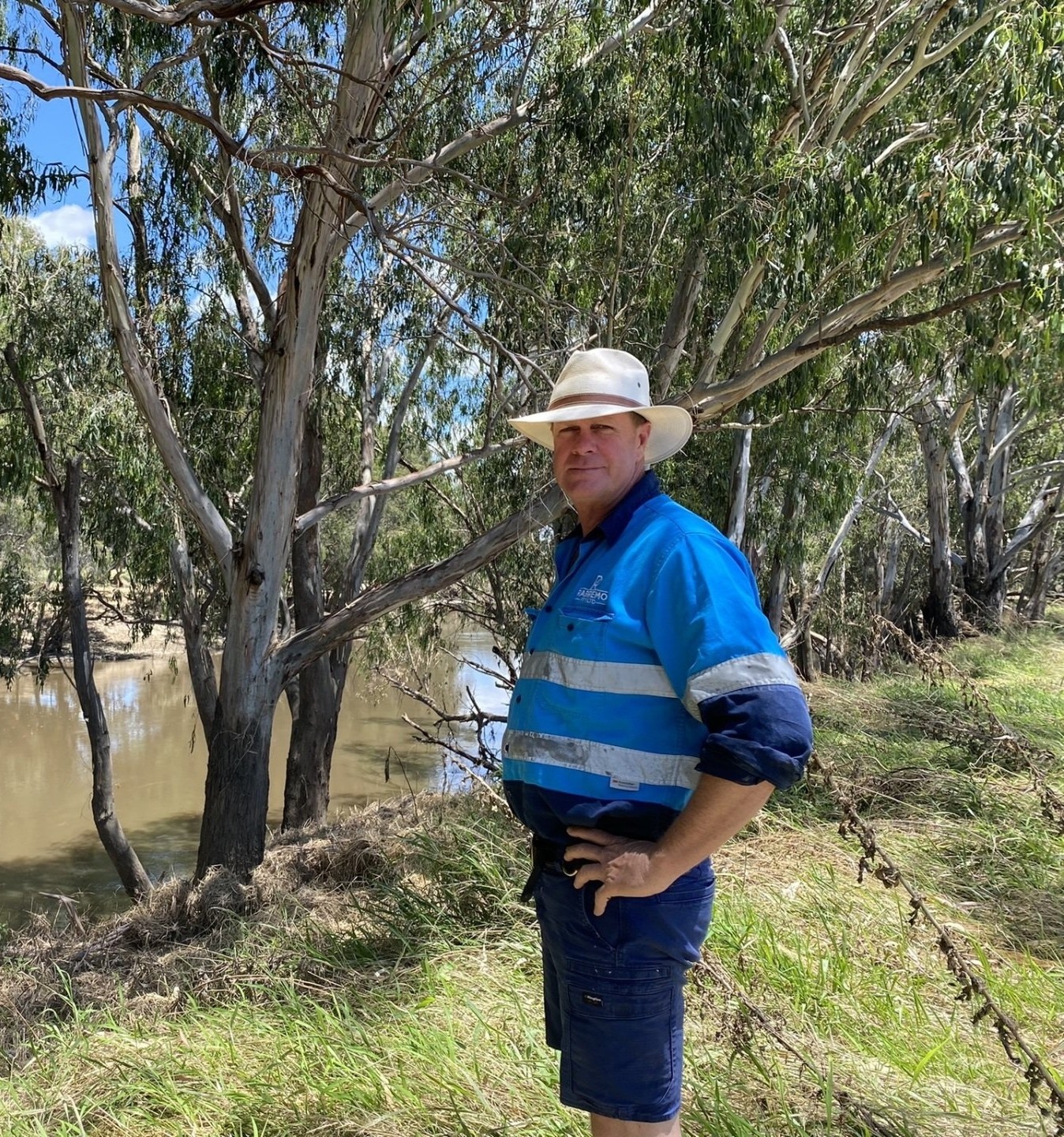
510kms of Fencing Rolling out in Queensland as Project Surges Ahead of Schedule
The Australian Government is providing another $2.4 million down payment to Queensland for fencing that will improve water quality, sustain native fish populations and help control stock in the Northern Basin.
Land Managers Gain Support for Fencing
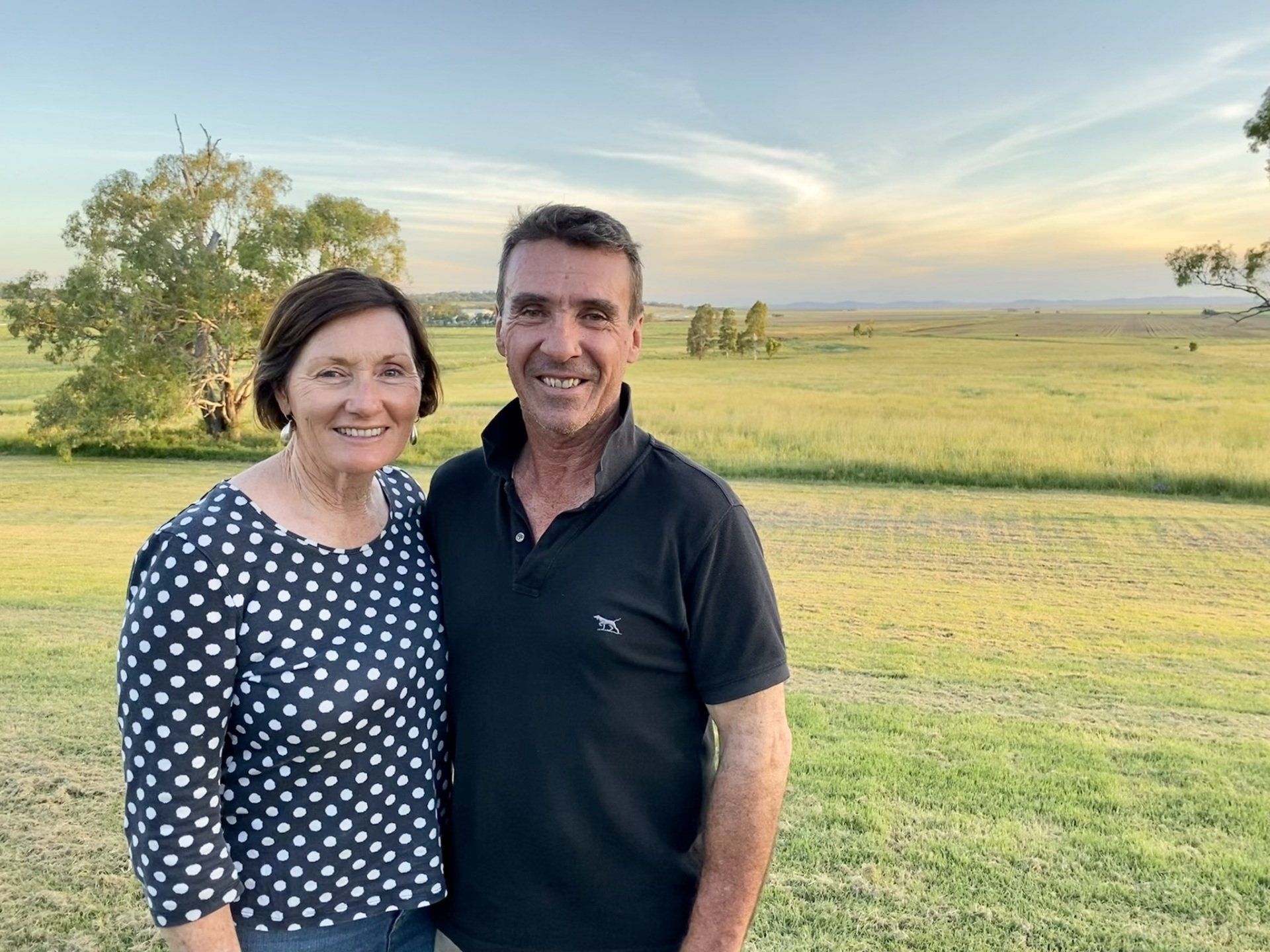
Consultant Lisel Dingley has been out and about meeting with land managers, discussing eligibility and assessing applications for the Northern Basin Fencing Project. Ms Dingley said the government funded project is helping land managers restore the health of their riverbanks and water systems on farm.
"Land managers are finding that fencing off rivers and providing stock with off-stream watering points is much more manageable than the old “give and take” fencing, backwards and forwards across the river that needs repairs after each flood and also results in stock favouring riverbanks during hot or dry spells," Lisel Dingley said.
"It’s great that the Australian Government's Northern Basin Fencing Project is helping land managers build on other initiatives to secure outcomes that are good for their land and good for fish," Ms Dingley said.
Murray-Darling Land Managers Access Funding to Fence Riverbanks
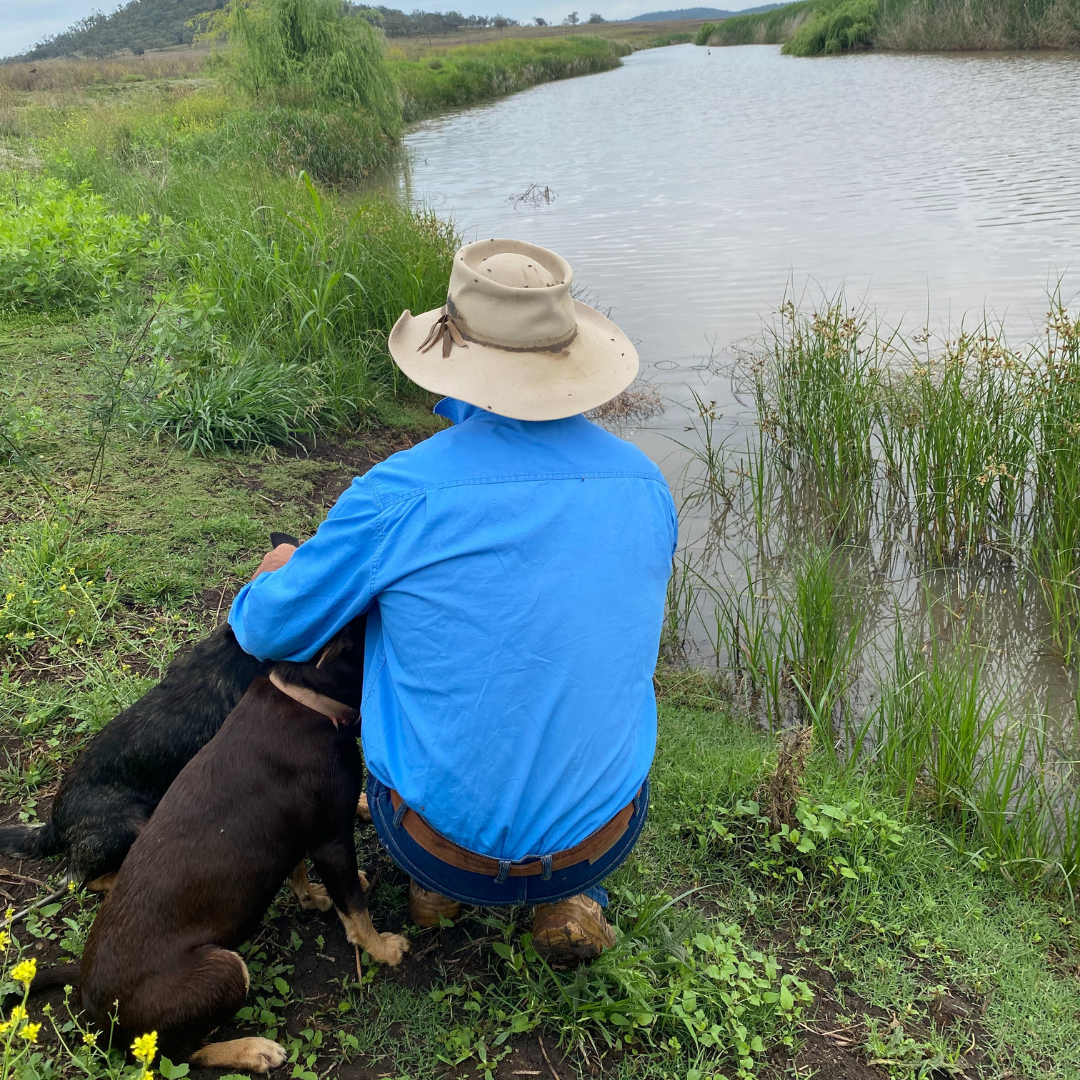
Southern Queensland Landscapes is working with land managers in the Murray-Darling Basin to fence their creeks and rivers and install off-stream watering points with the view to improving the quality of the environment for native fish. Land managers taking part in the project to fence their creeks and rivers will benefit from:
- Reduced stock damage to riverbanks
- More fencing and off-stream watering
- Improved water quality and weed control
- Banking river paddocks for drought

Fence funding helps land manager protect riverbanks and cattle
Flood after flood along an unfenced stretch of the Condamine River near Warwick was proving to be a headache for land manager Mitchell Duff as he battled erosion and bogged cattle.
So when the Loch Lomond grazier saw an advertisement for fencing assistance from Southern Queensland Landscapes he jumped at the opportunity to participate and install fencing on ‘Benchmark’; a 650 acre property with river frontage.
Listen to the full story.
What to look out for when fencing the riparian zone
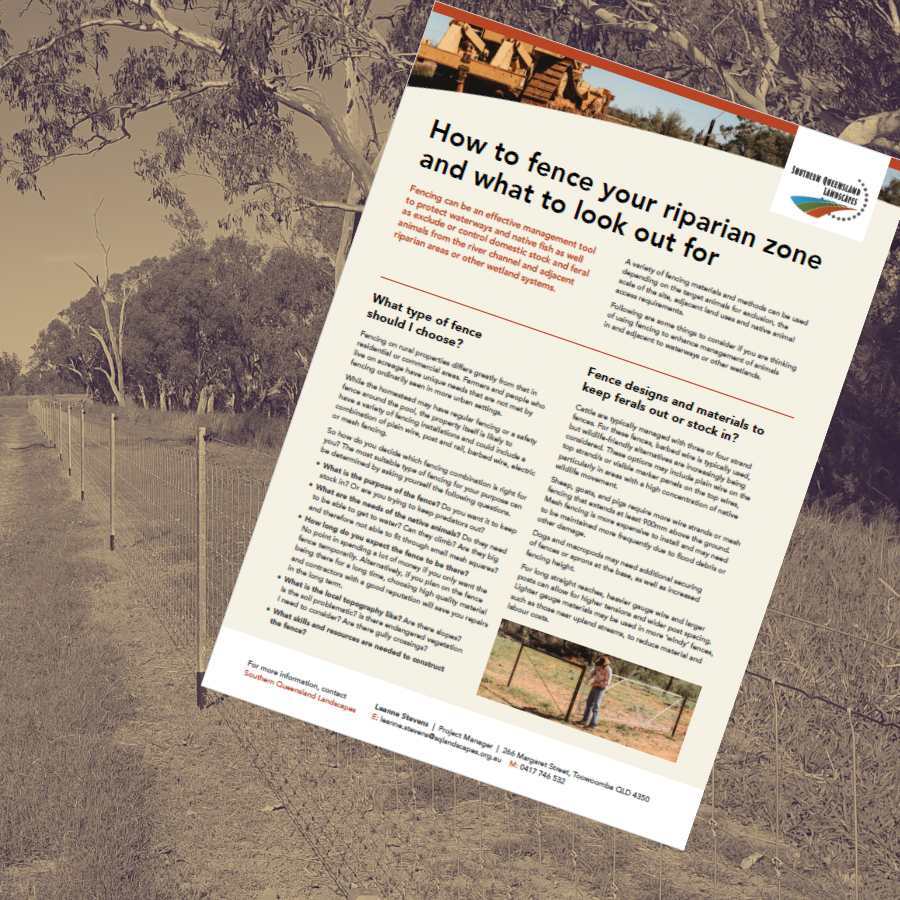
Fencing can be an effective management tool to protect waterways and native fish as well as exclude or control domestic stock and feral animals from the river channel and adjacent riparian areas or other wetland systems.
A variety of fencing materials and methods can be used depending on the target animals for exclusion, the scale of the site, adjacent land uses and native animal access requirements.
Following are some things to consider if you are thinking of using fencing to enhance management of animals in and adjacent to waterways or other wetlands.
Project Objectives
Control Livestock
By fencing riverbanks and installing off-stream watering points, access to the riparian zone by livestock will be reduced and controlled.
Protect Vegetation
Minimising the dwell time of stock along riverbanks ensures the area is not overgrazed thereby reducing erosion, compaction and water health.
Better Manage Weeds
Reduce the impact of weeds along riverbanks and put in place control measures to better manage them long-term.
Implement Off-Stream Watering
Drive the installation of off-stream watering points for livestock and encourage land managers to consider green water infrastrucutre.
Improve Water Health
Reducing erosion, sedimentation and compaction along riverbanks and encouraging native vegetation will result in improved water health.
Connect Water Corridors
By encouraging the connection of whole corridors along waterways the health and environment of native fish will be improved.

What is a Riverbank Zone?
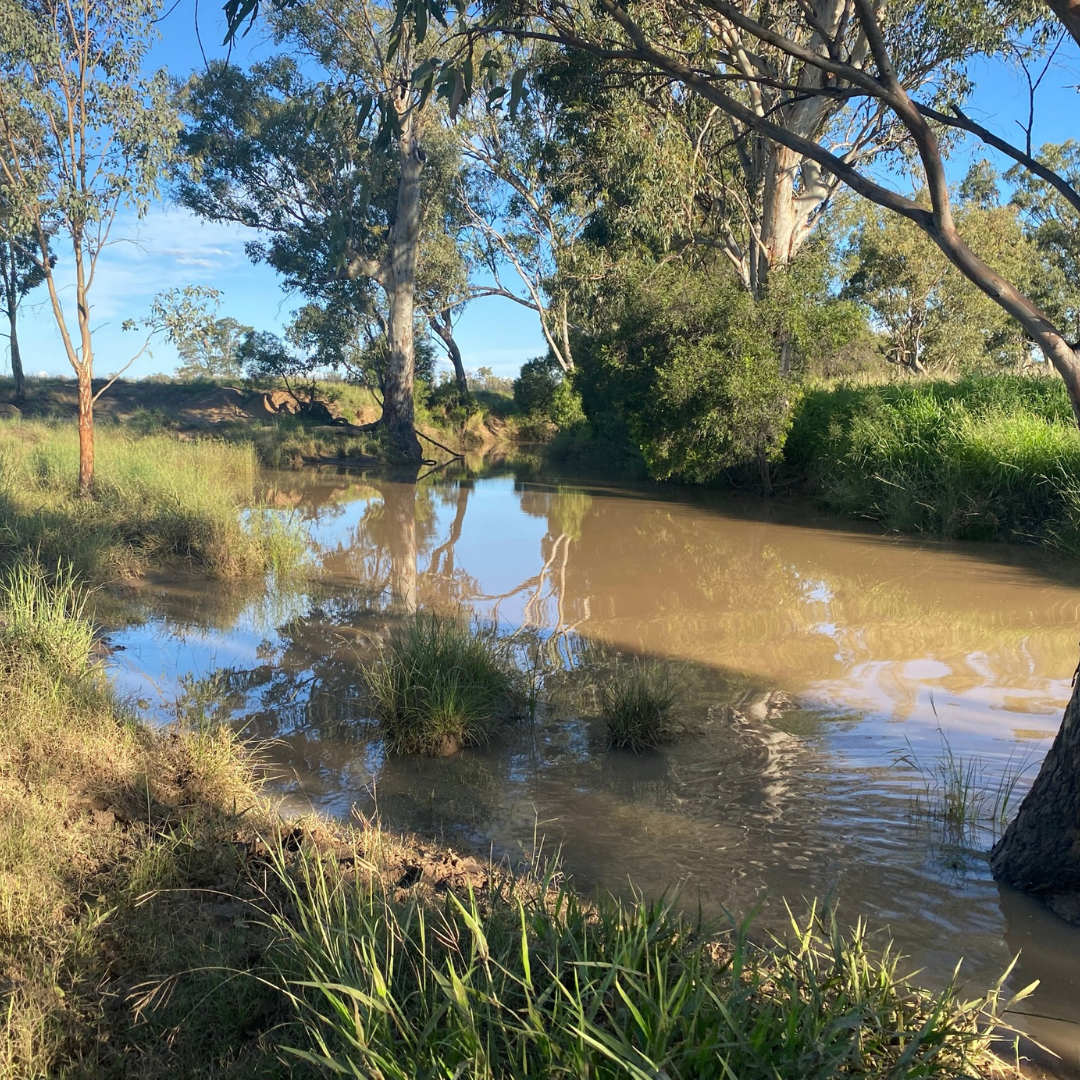
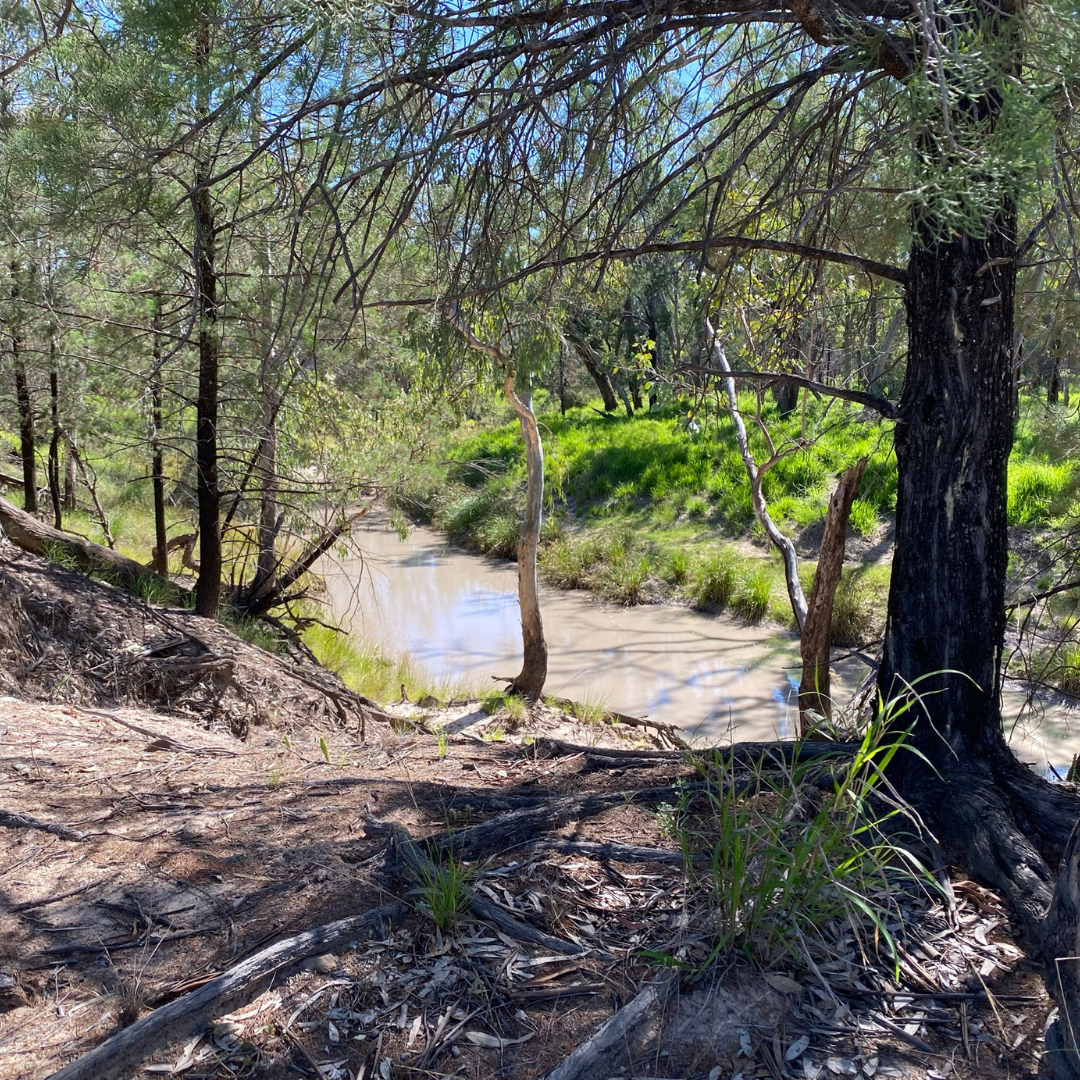
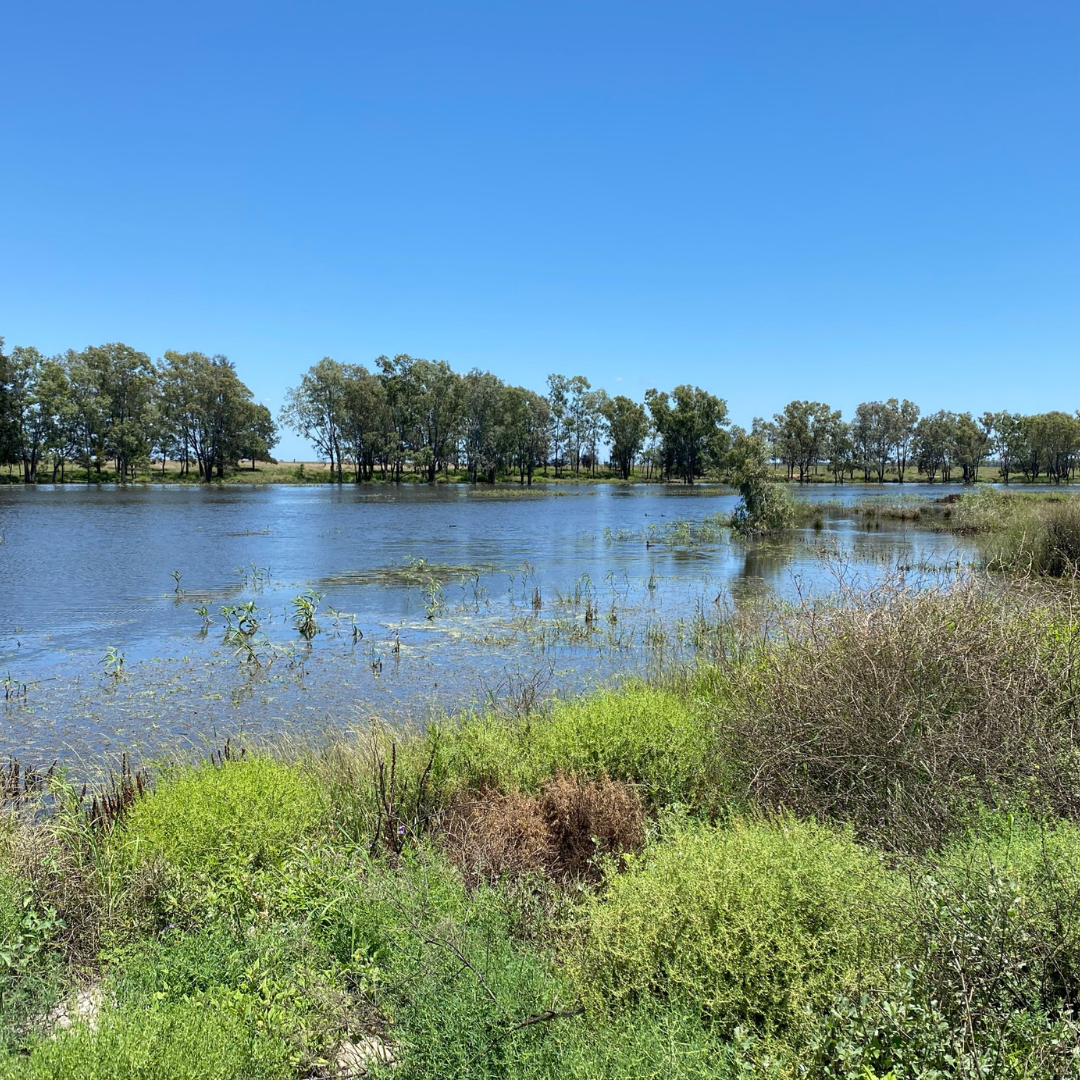
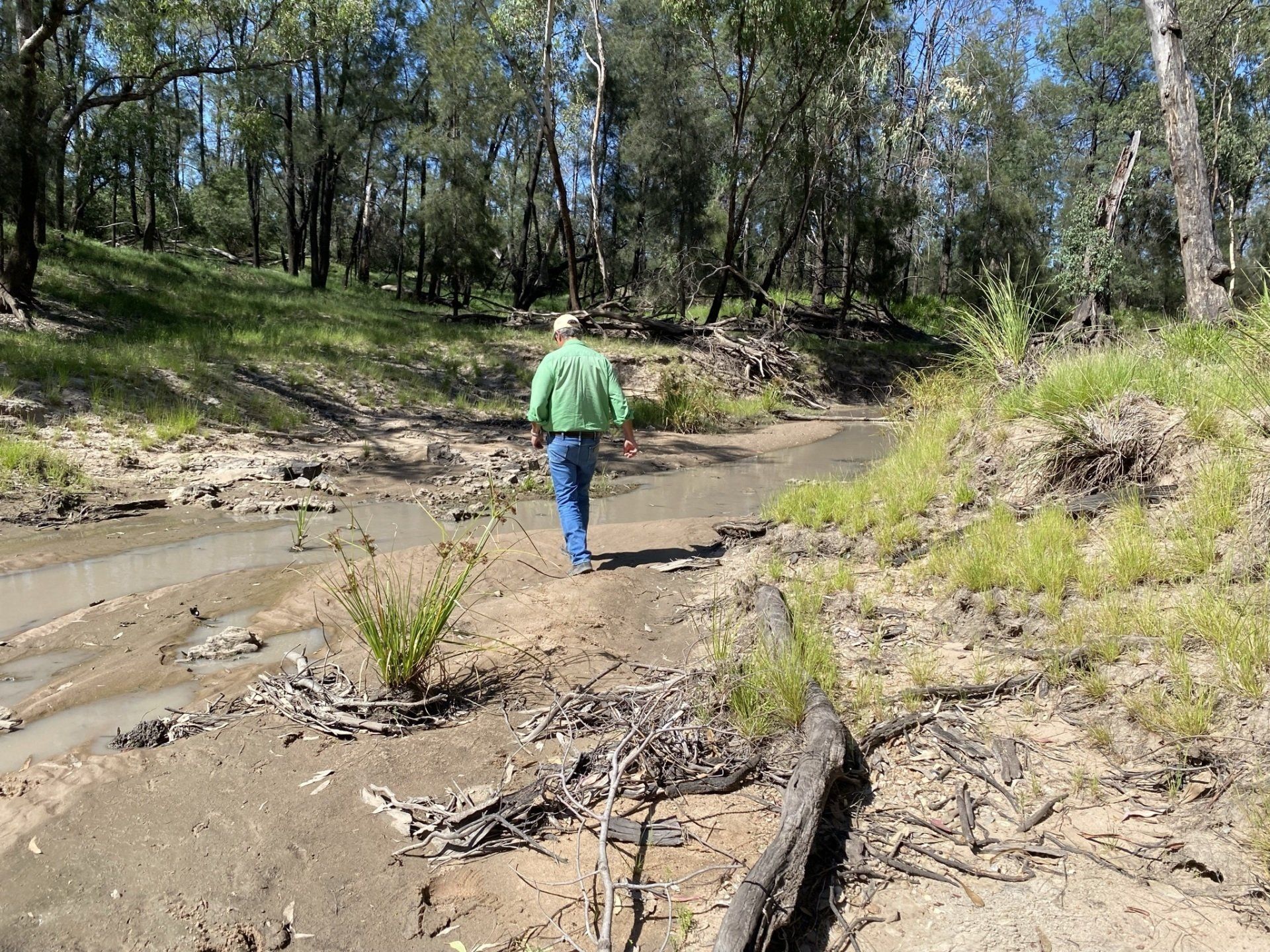
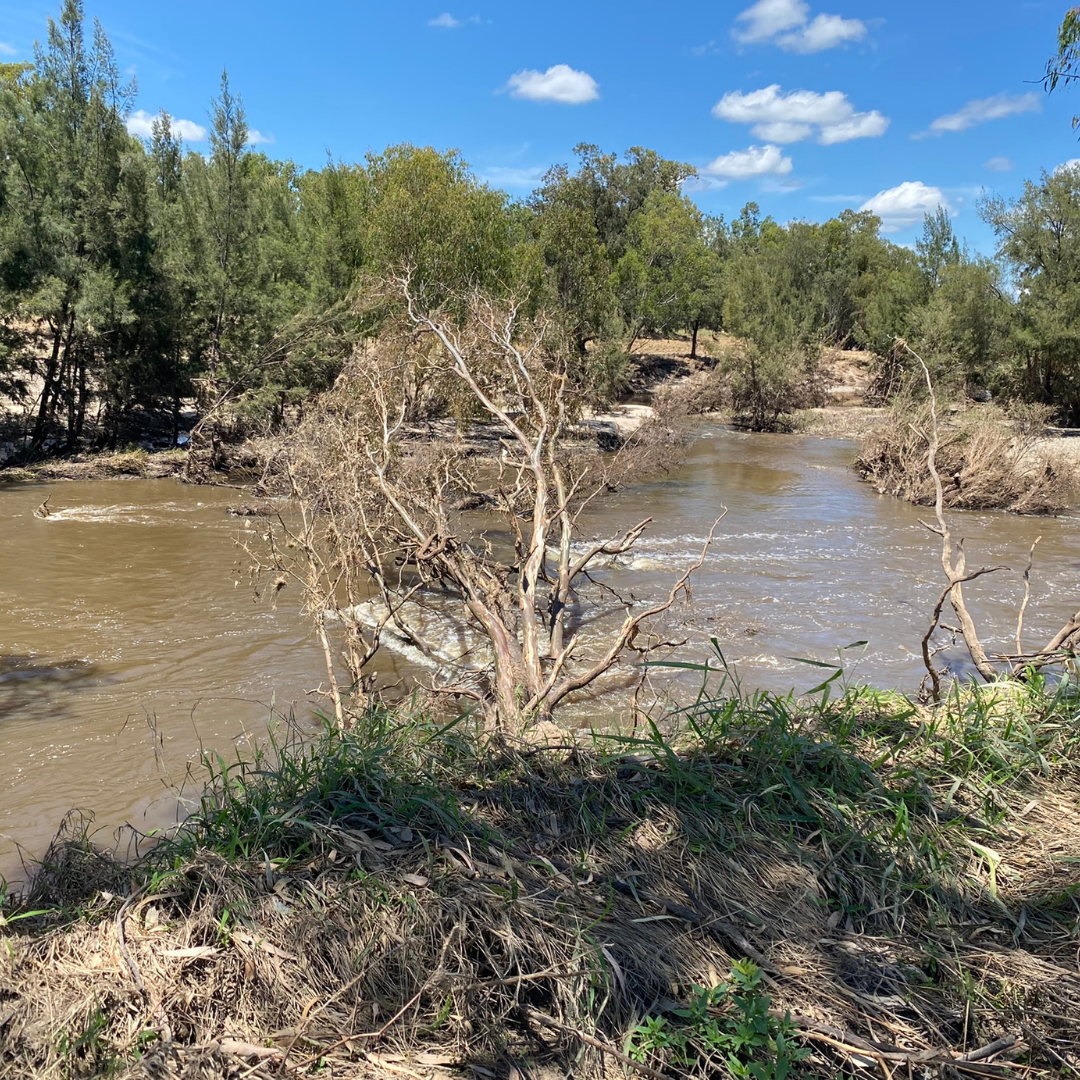
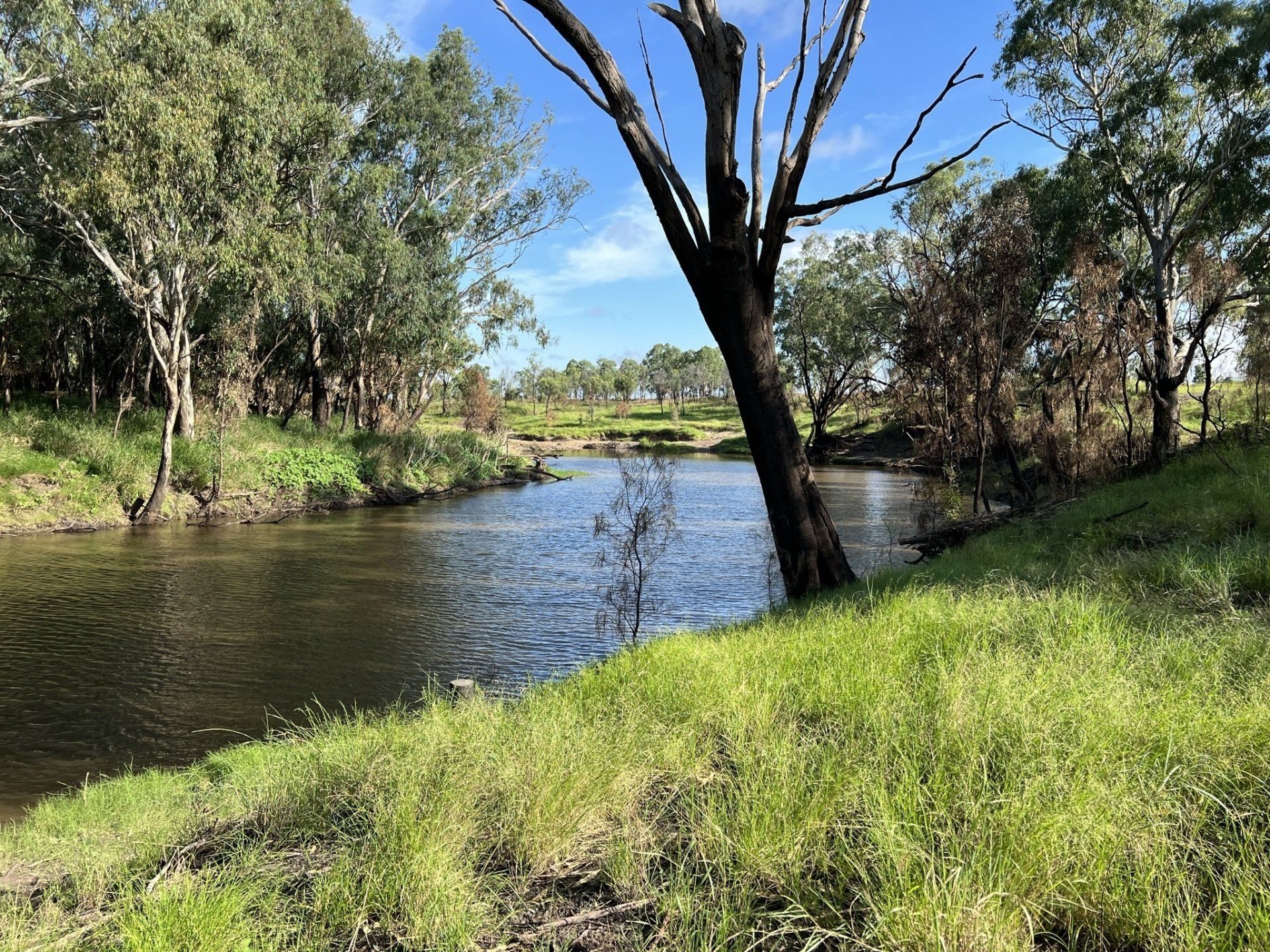
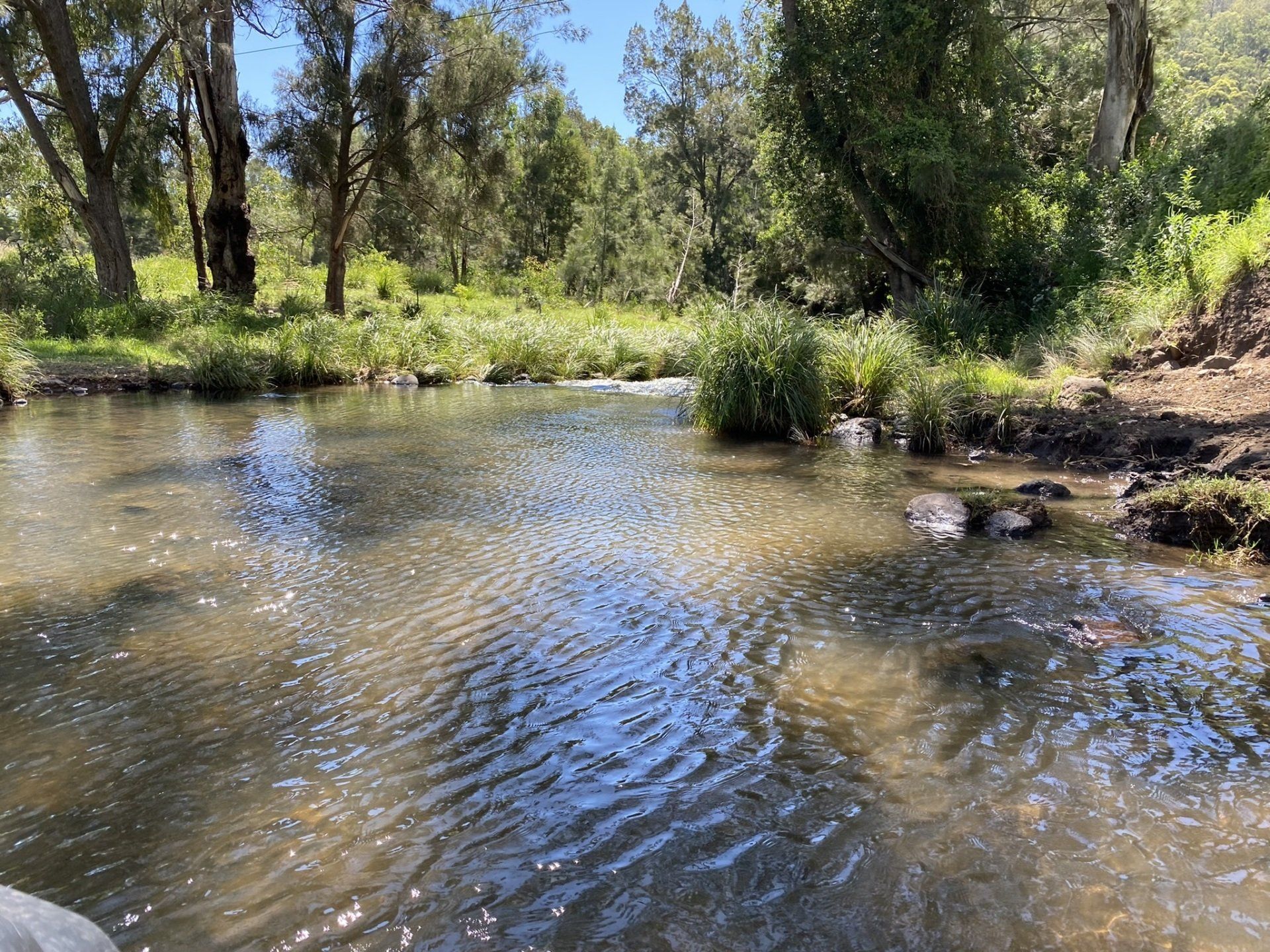
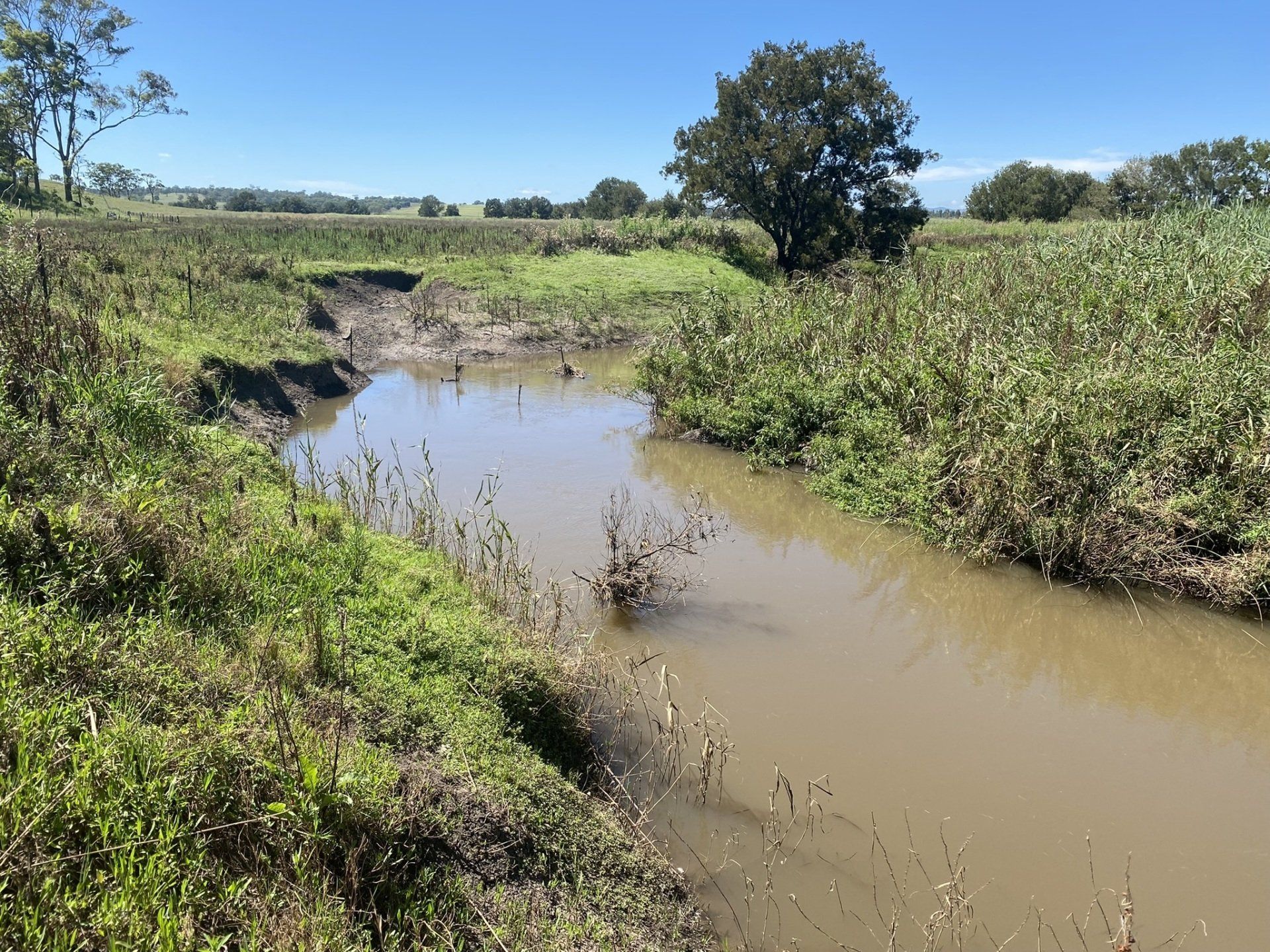
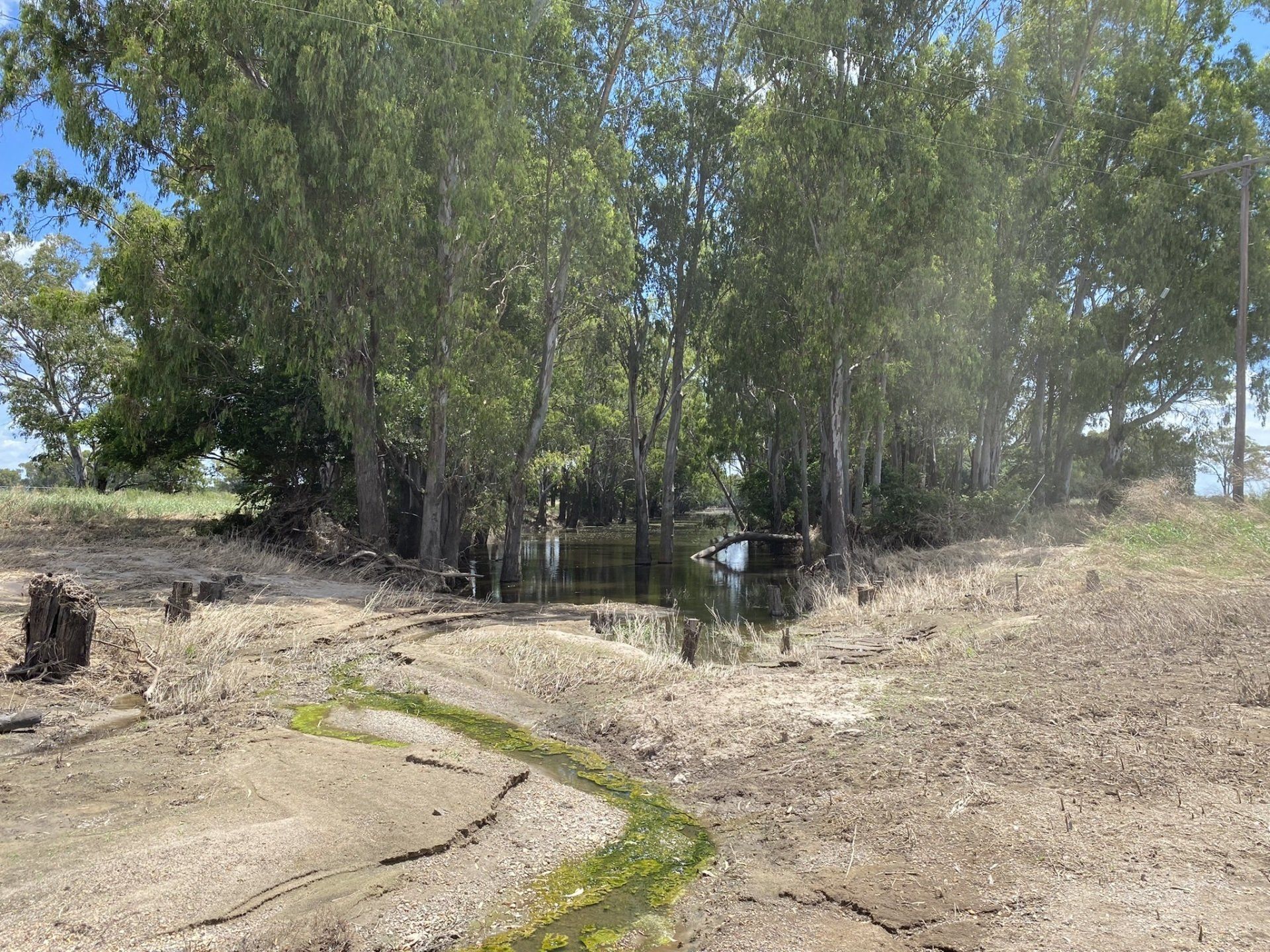
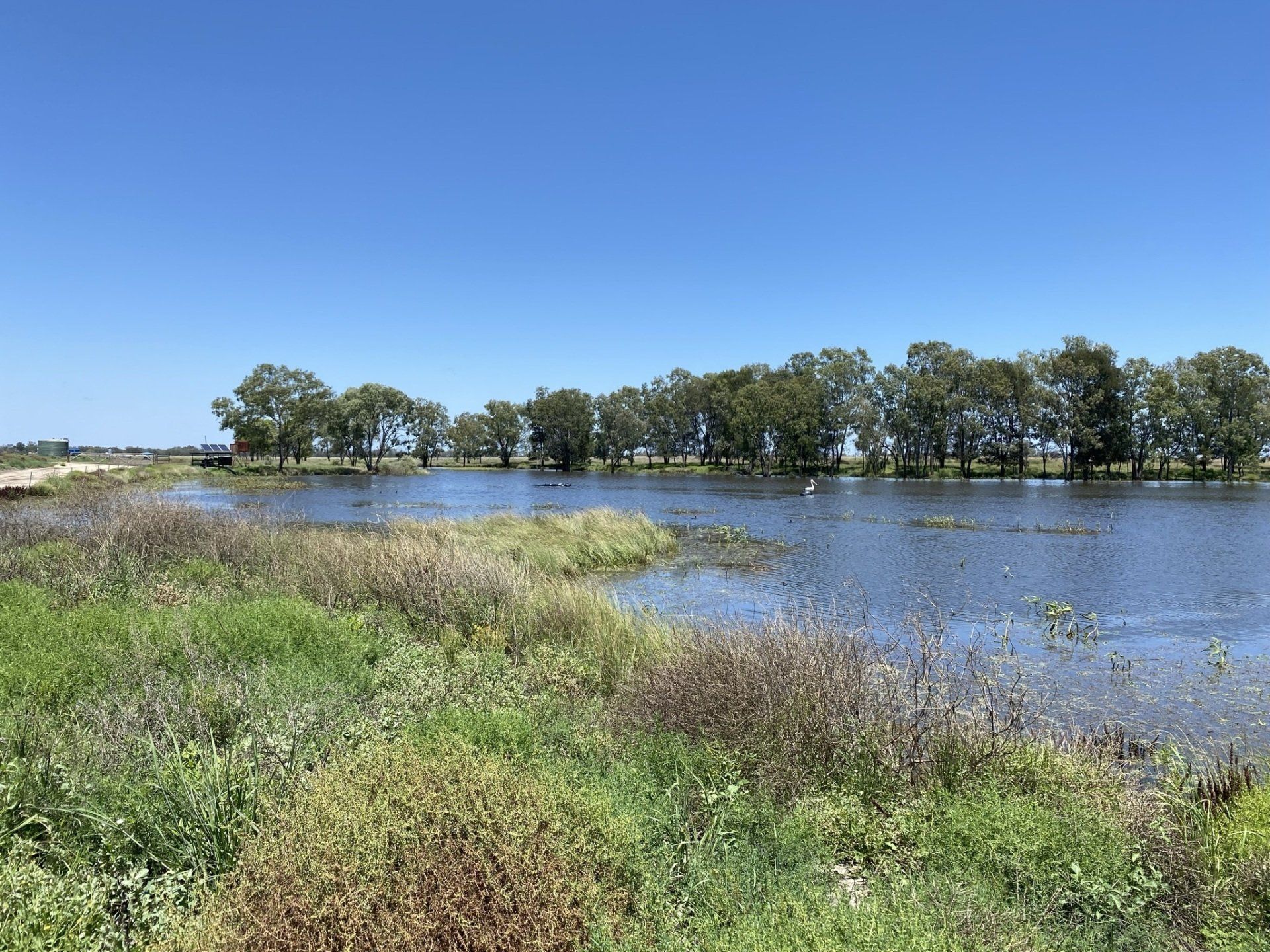
Riverbank (or riparian) zones are the areas bordering rivers and other bodies of surface water. They include floodplains as well as the adjacent greenbelts of plants that buffer air and water temperatures as well as filter nutrient and sediments from overland flow.
Healthy and diverse riparian vegetation helps to moderate air and water temperatures, reduce stream bank erosion and maintain stable stream function; allowing native fish to thrive.
By fencing off riverbanks (riparian zones) you can:
- Control stock & reduce erosion
- Improve water quality
- Enhance weed controls
- Increase native vegetation
- Moderate air & water temperatures thereby improving habitat.
How Does Fencing Riverbanks Improve the Landscape?
Helps Farmland
Fencing riverbanks helps to protect and improve existing healthy waterways and native bushland.
Helps Native Fish
The health of native fish is improved through temperature moderation, preventing run-off & reducing sedimentation.
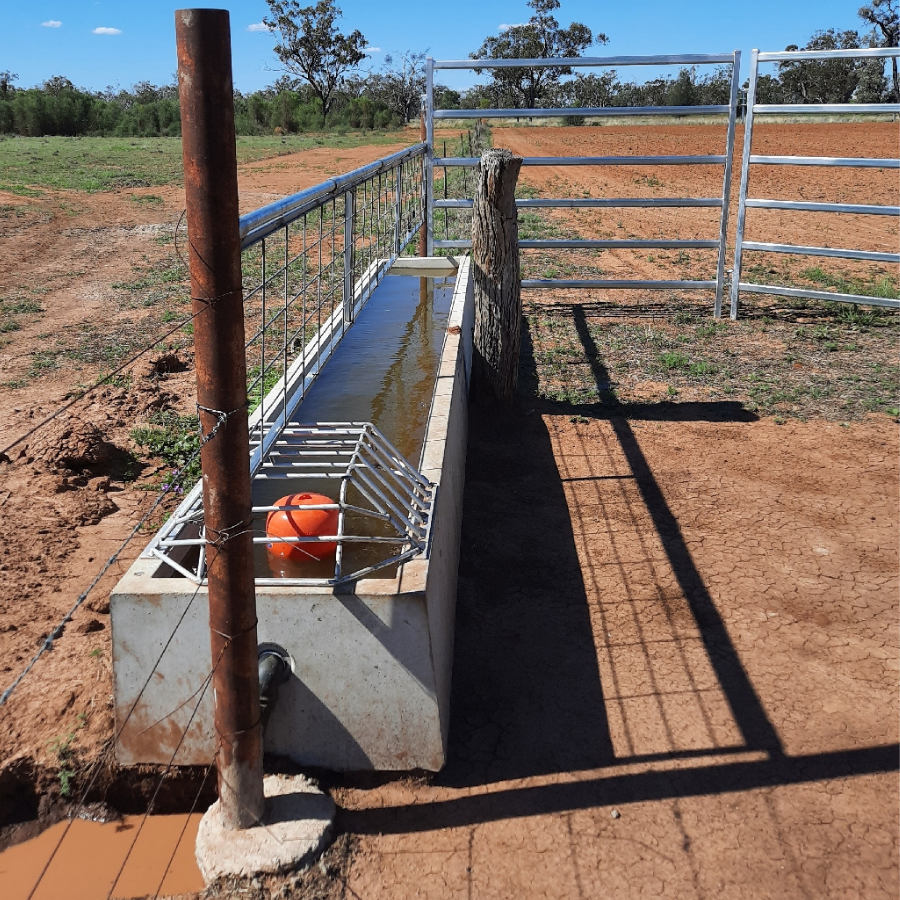
Off-Stream Watering
Off-stream watering allows livestock to drink without disturbing or damaging the riverbanks or plant buffer surrounding them (riparian zone).
By providing off-stream watering options you will:
- reduce the dwell time of livestock along the riverbanks
- minimise overgrazing & soil compaction
- avoid erosion and sedimentation
- & improve water quality
This could include the installation of pumps, tanks and troughs.
The Australian Government funded Fencing Northern Basin Riverbanks Project (QLD) is a 7.5 million dollar investment to support works to benefit farmers and fish. Southern Queensland Landscapes
with support from the Queensland Government is working with local communities, Aboriginal organisations, and riparian land managers to deliver the project before June 2023.